
Microneedling
- Home
- /
- Services
- /
- Microneedling
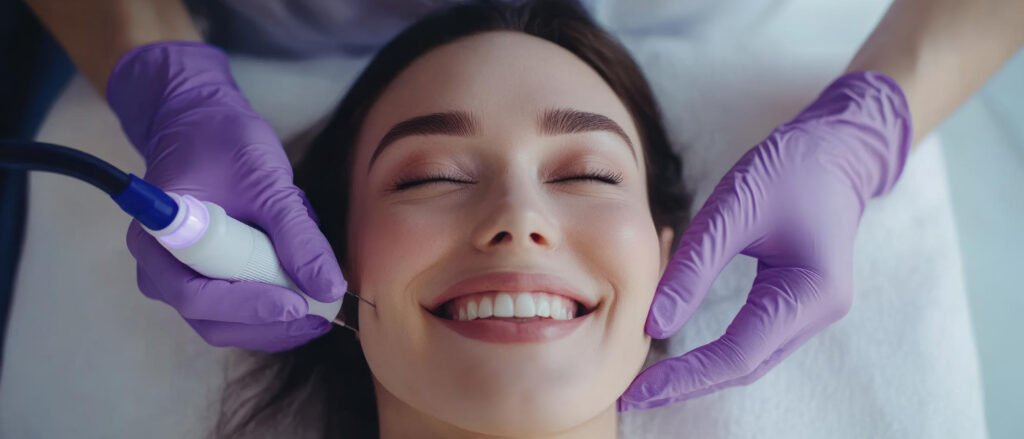
Microneedling Care at Health Elevated
Microneedling uses small, controlled needle punctures to stimulate the skin’s healing response. It may help improve the appearance of selected concerns such as uneven texture, some acne scars, and fine lines.
Before treatment, we discuss your goals, skin history, current products, and any conditions that may affect healing. A consultation helps determine whether microneedling is suitable for your skin and what results are realistic.
Your clinician or trained provider can explain preparation, the procedure, expected redness or sensitivity, and aftercare. Some people may need a series of sessions; recommendations vary by concern and skin response.
We prioritize appropriate treatment selection and clear expectations. Improvement varies, and some scars or pigmentation concerns may call for a different approach.
What You Can Expect With Our Microneedling Care
We assess your skin, explain the process and recovery, and recommend a plan based on your concerns and suitability.
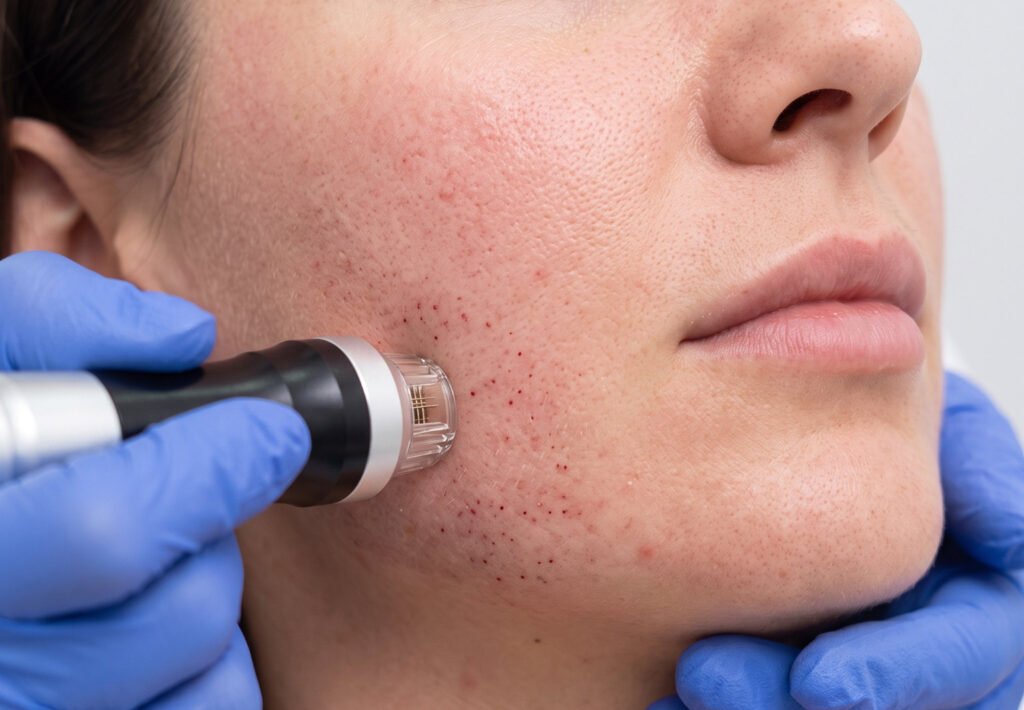
Skin consultation
Discuss texture, scars, skin tone, previous treatments, and goals.
Suitability check
Review factors such as active infection, irritation, and healing concerns.
Treatment overview
Learn what a session may feel like and what to expect afterward.
Aftercare guidance
Get instructions for skin care, sun protection, and follow-up.
Frequently Asked Questions (FAQ)
It is a procedure that creates controlled, tiny punctures in the skin to stimulate a healing response.
Temporary redness and sensitivity are common. Your provider will explain expected recovery and aftercare.
That depends on your skin concern and response. A consultation can help establish a reasonable plan.
Treatment may need to be delayed or modified when there is active infection or significant inflammation. A skin assessment is important.